How Meli Fights Back
Permanent pesticide-free sanctuary where nature does what chemicals never could.
Not a policy. A permanent commitment written into how this land is managed. No neonicotinoids. No pyrethroids. No herbicides. No drift. No exceptions.
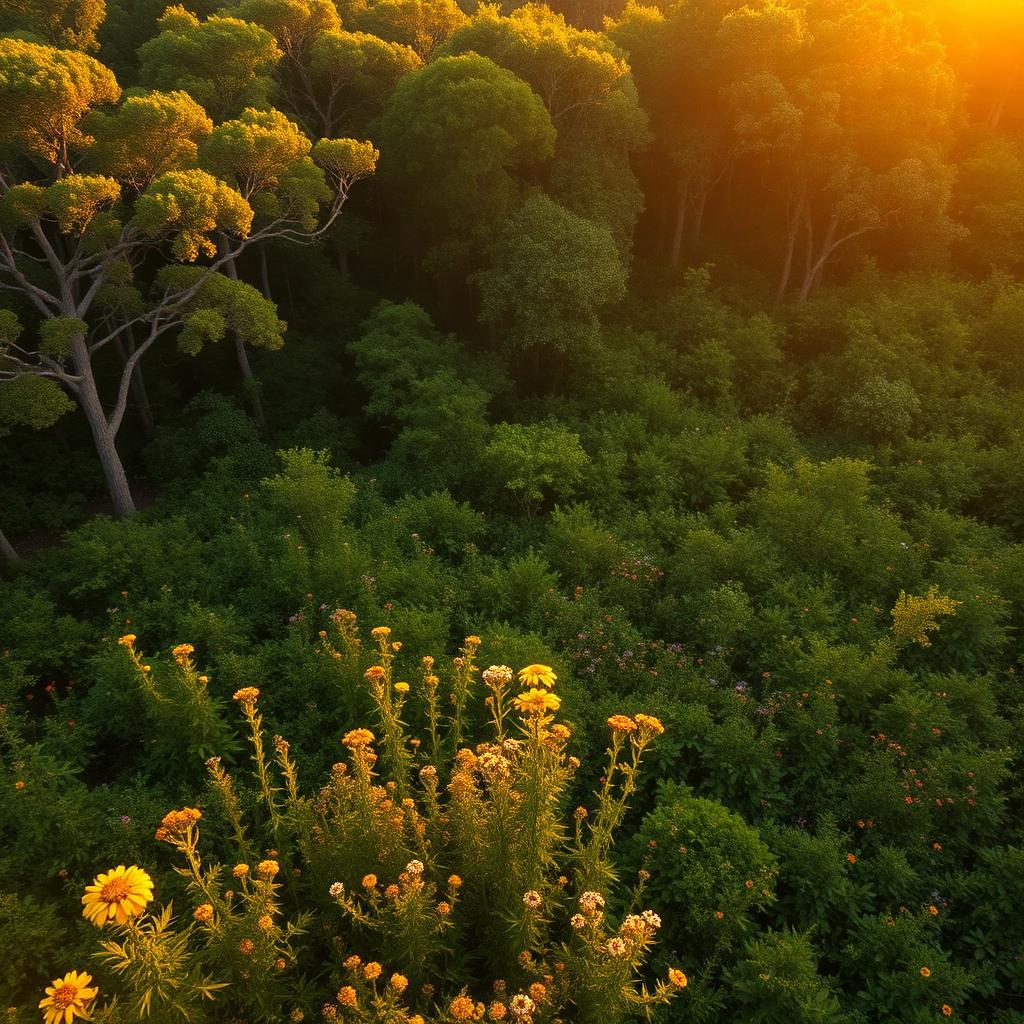
Wildflower meadows and food forests selected specifically so something is always in bloom from earliest spring through late fall. Bees never run out of food on Meli land.
Apiaries designed to be monitored for health, mite load, and queen vitality — every hive a data point in what recovery looks like when the land is right.
The Meli Preserve is not running a bee charity. It is building a biological system where bees do not need to be saved because the conditions for their survival are permanently in place. Clean land. Dense diverse forage. Water. No chemical inputs of any kind.
The food forest layers ensure that from the canopy to the ground cover there is always something flowering. When the citrus bloom fades the wildflower meadow takes over. When the meadow slows the late-season goldenrod carries through to fall. The nectar flow never stops because we designed it not to.
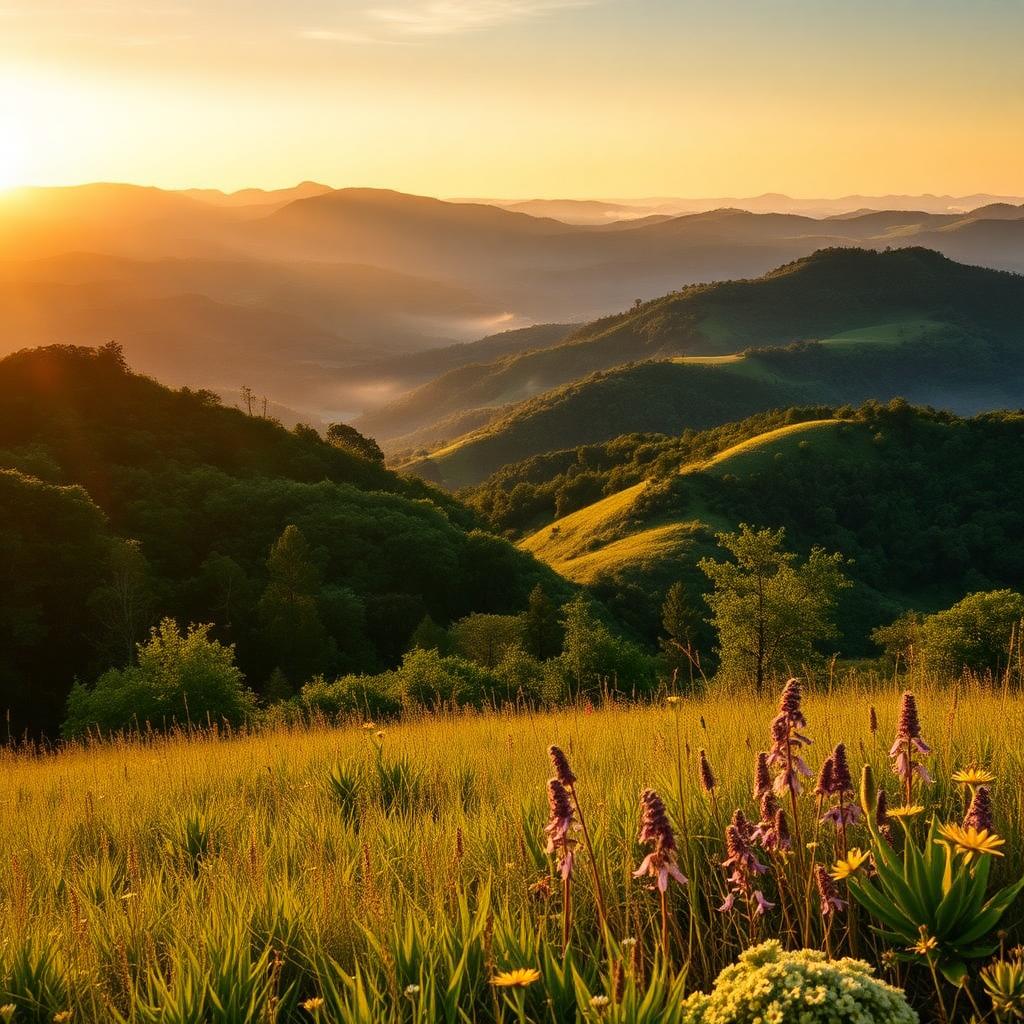
The Florida flagship is where the model begins — subtropical sanctuary land with year-round growing seasons and the most urgent need for pesticide-free pollinator habitat in the region. The Tennessee sanctuary is planned to extend the protected corridor north, into the range of synchronous fireflies and temperate food-forest species Florida cannot support. Together they’re designed to form a connected chain of protected habitat along the eastern migration routes pollinators and birds depend on.
Monthly support starting at $10 helps us establish the forage and protect the first hives.