
Experiences
Age appropriate sanctuary education that connects science curriculum to living land. No worksheets. No PowerPoints. Just the real thing.
Most children know that bees are important. They have been told this in classrooms and seen it on posters. What they have almost never done is stand in a wildflower meadow and watch a bee work, kneel beside a dragonfly pond and understand what they are seeing, or hold soil from a food forest and learn what makes it alive. The difference between knowing something and understanding it is the body. School group visits at the Meli Preserve put the body in the right place.
Programs are designed to meet Florida and Tennessee STEM and environmental science curriculum standards at each grade level. Every visit includes pre visit teacher materials, an on site structured program led by sanctuary educators, and post visit resources that extend the learning back into the classroom. Groups leave with something they cannot get from a textbook: actual experience of a living system doing exactly what it is supposed to do.
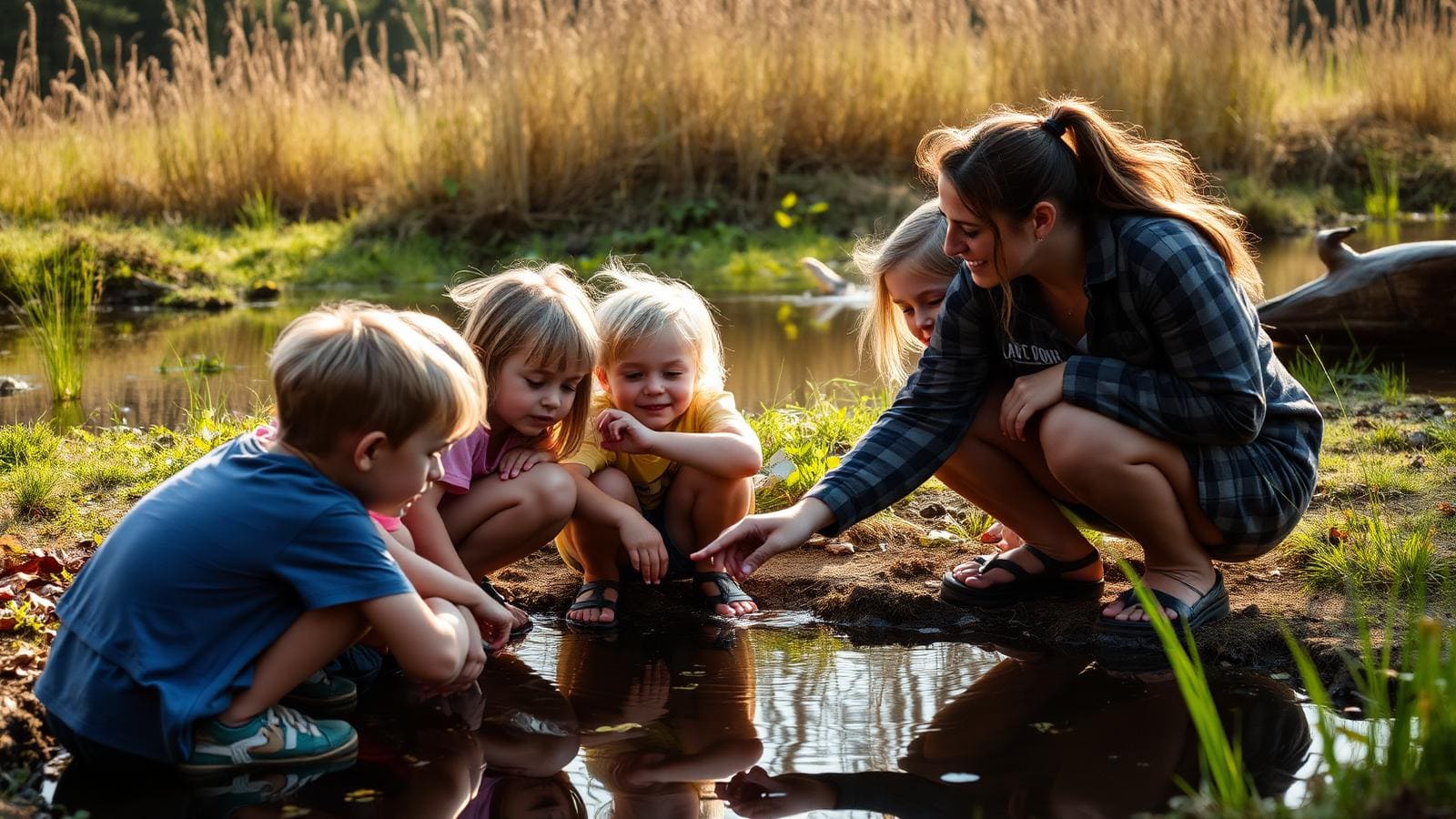
A sensory led introduction to the sanctuary. Children will visit the wildflower meadow, meet the guinea hens, and watch bees forage on flowers, on planned sanctuary grounds. The focus is observation and wonder rather than formal content. Children leave with a wildflower seed packet and a simple illustrated field guide.
Covers the three core natural solutions of the sanctuary: guinea hens for ticks, dragonflies for mosquitoes, and bees for food. Children will rotate through three stations with hands-on activities and a sanctuary educator, once the sanctuary is established. Curriculum links to life science and ecosystems units.
A more in depth look at pollinator decline, the role of pesticides, and the regenerative model the sanctuary uses as a response. Includes a food forest walk, a pond ecology session, and a structured reflection activity. Curriculum links to environmental science and biology units.
A full day program covering food forest design, soil biology, water systems, dark sky ecology, and the business and economics of conservation. Will include a guided site survey, data collection activity, and a structured discussion with sanctuary leadership, once established. Curriculum links to biology, environmental science, and economics.
Minimum 10 students, maximum 60 per visit. Larger groups are divided into rotating cohorts of fifteen.
Half day programs run approximately two and a half hours. Full day programs run five hours including a lunch break on sanctuary grounds.
Programs will be offered on a sliding scale based on school district need, once launched. Title 1 schools receive subsidized or complimentary visits through the Meli Education Fund.
The sanctuary provides detailed directions and parking guidance upon booking confirmation. Bus parking is available on site.
Visits begin once the sanctuary opens. Register your interest now and we’ll contact you as dates are scheduled.